


Most Popular
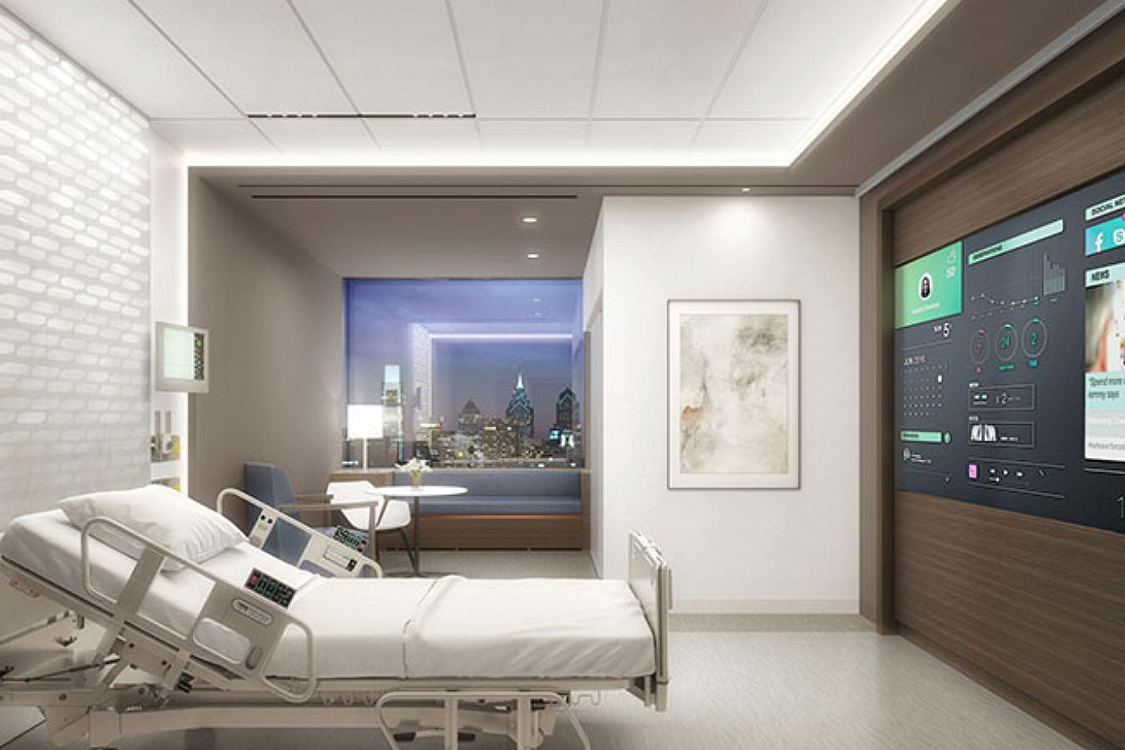
The Pavilion at Penn Medicine, Philadelphia, USA
Hospital design trends have evolved over time to reflect profound changes in healthcare, emphasizing not only advanced medical technology but also a greater focus on the overall well-being provided by these facilities.
This blog explores the evolving trends in hospital design that have reshaped healthcare facilities since 2020, reflecting a shift towards creating environments that support health and well-being. From designing a more homey environment to integrating innovative technologies and sustainable practices, these trends highlight the strategies for improving care quality, predicting successes in outcomes or even creating positive impacts on nature.
Overview: Healthcare Design Trends in 2025
Hospital design trends in 2025 reflect a dynamic shift in healthcare architecture, where patient well-being, operational efficiency and sustainable innovation converge. Today’s hospitals are moving beyond sterile environments to become healing ecosystems. From incorporating natural elements and advanced technologies to integrating patient-centric layouts and modular flexibility, these trends prioritize health outcomes and adaptability. With real-time wayfinding, antimicrobial materials and a strong emphasis on design that enhances recovery, hospital spaces are now transforming into modern sanctuaries of care. This blog explores the top design innovations that are redefining the future of healthcare infrastructure globally.
Indeed, as we care to learn about these innovations in detail it becomes clear that hospital design is not just a matter of aesthetics but rather becoming the way for developing new healthcare.

Here Are 8 Hospital Design Trends Worth Noting
1. Embracing a Home-Like Atmosphere
Hospital design trends moving towards making hospitals feel more like home is changing how they are designed. This approach understands that a patient’s surroundings can greatly affect their mental state and healing process. Traditional hospital designs, with their stark and brightly lit spaces, are criticized for making patients feel more stressed and insecure. Instead, a more welcoming design with natural wood, soft lighting and cozy furniture to create a calming, home-like environment.
Hospital design trends are not just about looks, they’re based on research showing that the environment significantly impacts patient health outcomes. Research indicates that patients in rooms with natural views recover 8.5% faster and require less pain medication. It’s obvious natural light helps keep sleep cycles regular and improves mood, leading to faster recovery.
This trends revolves around home-like planning that considers the needs of different patient groups, such as children and the elderly. A children’s ward, for instance, could feature bright colours and play areas with engaging, child-size amenities.
Overall, hospital design trends towards a more home-like atmosphere centres on patient-focused care, emphasizing emotional and psychological well-being alongside physical health. By making hospitals more relaxing and comfortable, the aim is to reduce the inherent stress of medical treatments, making the healthcare experience better for patients, their families and staff.
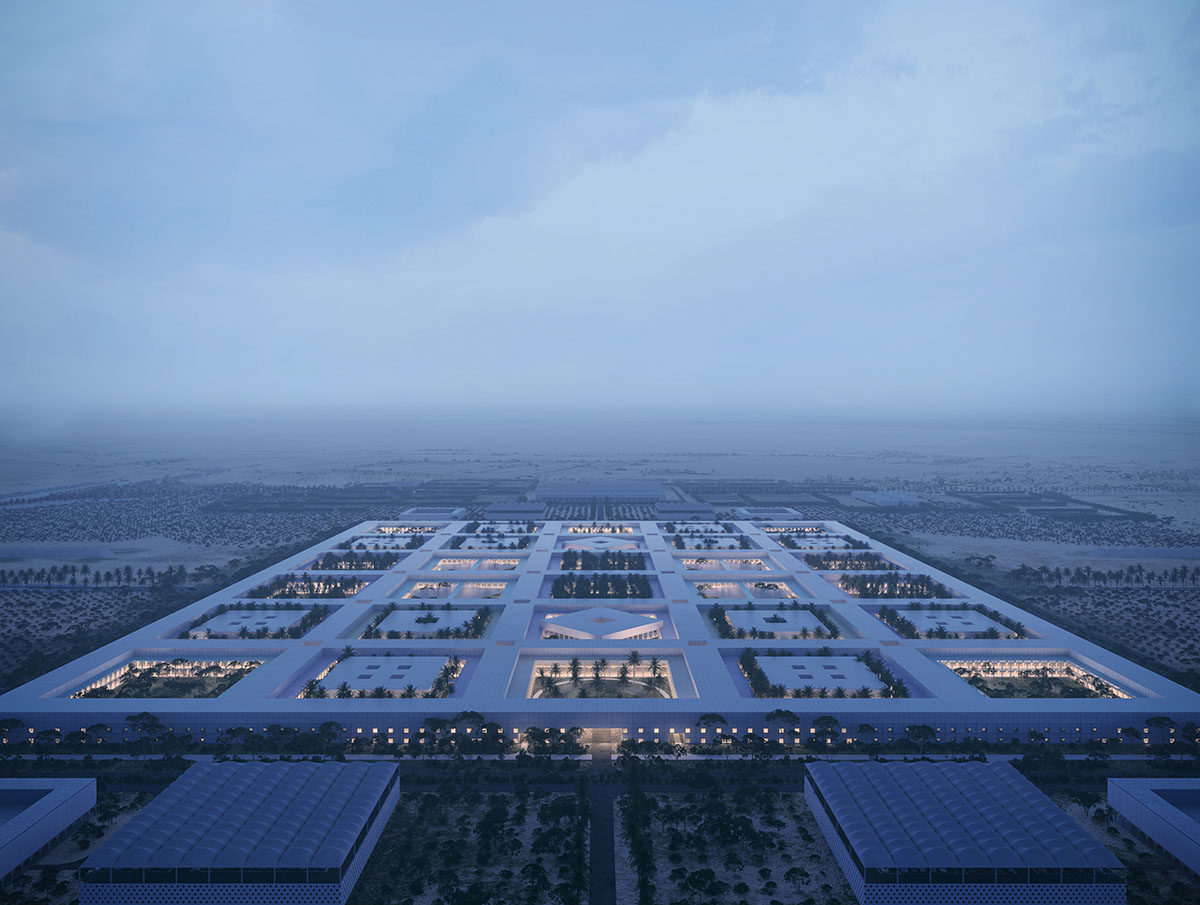
Al Daayan Health District Masterplan
Example: Al Daayan Health District Masterplan, Doha, Qatar
This innovative prototype development sets a new standard by integrating healthcare with sustainable living within a health-focused district. The design emphasizes self-sufficiency, aiming to generate its own energy, produce food and even create medicines on-site. Developed by a collaboration between a renowned architectural firm and an engineering consultancy for the Hamad Medical Corporation, this prototype represents a shift towards a holistic approach in healthcare infrastructure. Situated on a strategic plot near Qatar University and the emerging city of Lusail, the masterplan envisions a unique blend of medical science and architectural innovation. Moving away from the traditional high-rise hospital model, this concept introduces a sprawling, modular layout with specific modules dedicated to different patient needs, all surrounded by lush greenery to promote healing and well-being. The ground-level placement of patient rooms across this low-rise setup minimizes reliance on elevators, facilitating direct access to nature and outdoor spaces.
2. Antimicrobial-Based Raw Materials
Hospitals are using a new approach to prevent infections by incorporating materials that naturally kill germs into their design. Unlike traditional safety measures, this strategy integrates protection right into the building’s structure. In fact, studies say the implementation of copper, alloy and bronze surfaces in Intensive Care Unit (ICU) settings reduces infection rates by up to 40%.
In fact, the implementation of copper, alloy and bronze surfaces in Intensive Care Unit (ICU) settings has been shown to reduce infection rates by up to 40%.
These materials are used for items people frequently touch, such as door handles and faucet handles. When copper contacts moisture, it releases ions that are deadly to germs, reducing the spread of infections.
Other materials, such as certain types of wood including bamboo, also resist bacteria and are being used for hospital furniture. Additionally, advances in nanotechnology have led to protective coatings that can be applied to surfaces to keep pathogens at bay.
These antimicrobial materials are chosen not only for their germ-fighting abilities but also for their appearance, ensuring that hospitals remain both clean and visually appealing. Designers make sure to minimize gaps and cracks where bacteria can hide, aiding in cleanliness.
This comprehensive approach to using germ-fighting materials in hospital construction is a forward-thinking way to prevent infections. It creates a safer environment for both patients and healthcare workers and helps reduce healthcare-associated infections, ultimately leading to better health outcomes.
3. Advanced Wayfinding and Location-Based Technology in Hospital Design Trends
In hospitals – where stress is already high – wayfinding is crucial. It does more than just help people navigate, it reduces anxiety and boosts satisfaction for patients and visitors. This is one of the top healthcare design trends for 2025. Hospitals that have invested in enhanced wayfinding solutions report a reduction in late or missed appointments, improving operational efficiency. Modern hospital design uses clear layouts, colours and digital tools to guide people easily through the building.
Effective wayfinding starts as soon as patients and visitors see clear signs, use interactive kiosks or follow directions from mobile apps. The goal is to make the hospital easy to navigate for everyone, regardless of physical ability or language. Features include tactile paths for the visually impaired and signs with audible signals and large text for better inclusivity. Wayfinding also adds beauty and interest to hospital corridors. Murals and themed areas with colour-coded floors can turn dull walks into enjoyable experiences, easing mental stress. This approach also keeps hallways clear for staff, reducing interruptions and the spread of germs.
Location-based technology providers such as Mapsted are transforming the healthcare landscape, offering numerous benefits to medical centres worldwide. These technologies provide patients and visitors with intuitive navigation solutions, ensuring they can easily find their way around complex healthcare facilities. Moreover, advanced navigation systems prioritize inclusivity, catering to the needs of all individuals, including those with disabilities or special requirements.
In addition to enhancing accessibility, location-based technology enables healthcare centres to streamline operations and improve efficiency. Real-time indoor maps and navigation tools allow for seamless scheduling of maintenance updates and emergency resource planning, ensuring smooth asset tracking and facility management. Furthermore, personalized messaging based on location and user behaviour enhances patient engagement and satisfaction, offering tailored services and gathering valuable feedback to improve overall experiences.
These technologies are increasingly being integrated into the design phase of hospitals, allowing architects and planners to optimize layouts and enhance patient flow. By incorporating advanced wayfinding and location-based technology solutions early in the design process, healthcare facilities can create environments that are not only aesthetically pleasing but also highly functional and user-friendly.
4. Natural Light and Greenery
Adding natural light and plants to hospital design isn’t just about and being environmentally conscious, it’s about health. Studies show that access to natural daylight in hospital settings can reduce the length of stay by up to 2.6 days for certain patients. Nature helps patients heal faster, use fewer painkillers and avoid hospital-related depression. Architects now try to let more sunlight into patient rooms, waiting areas and even surgery rooms. They also add indoor plants, healing gardens and green walls.
This mix of plants and sunlight blurs the line between the outdoors and the hospital’s inside, creating a healing environment. These elements help lower blood pressure, boost mood and improve sleep, speeding recovery. In cities, where space is tight, hospitals use rooftop gardens or vertical plants to connect with nature without taking up more space.
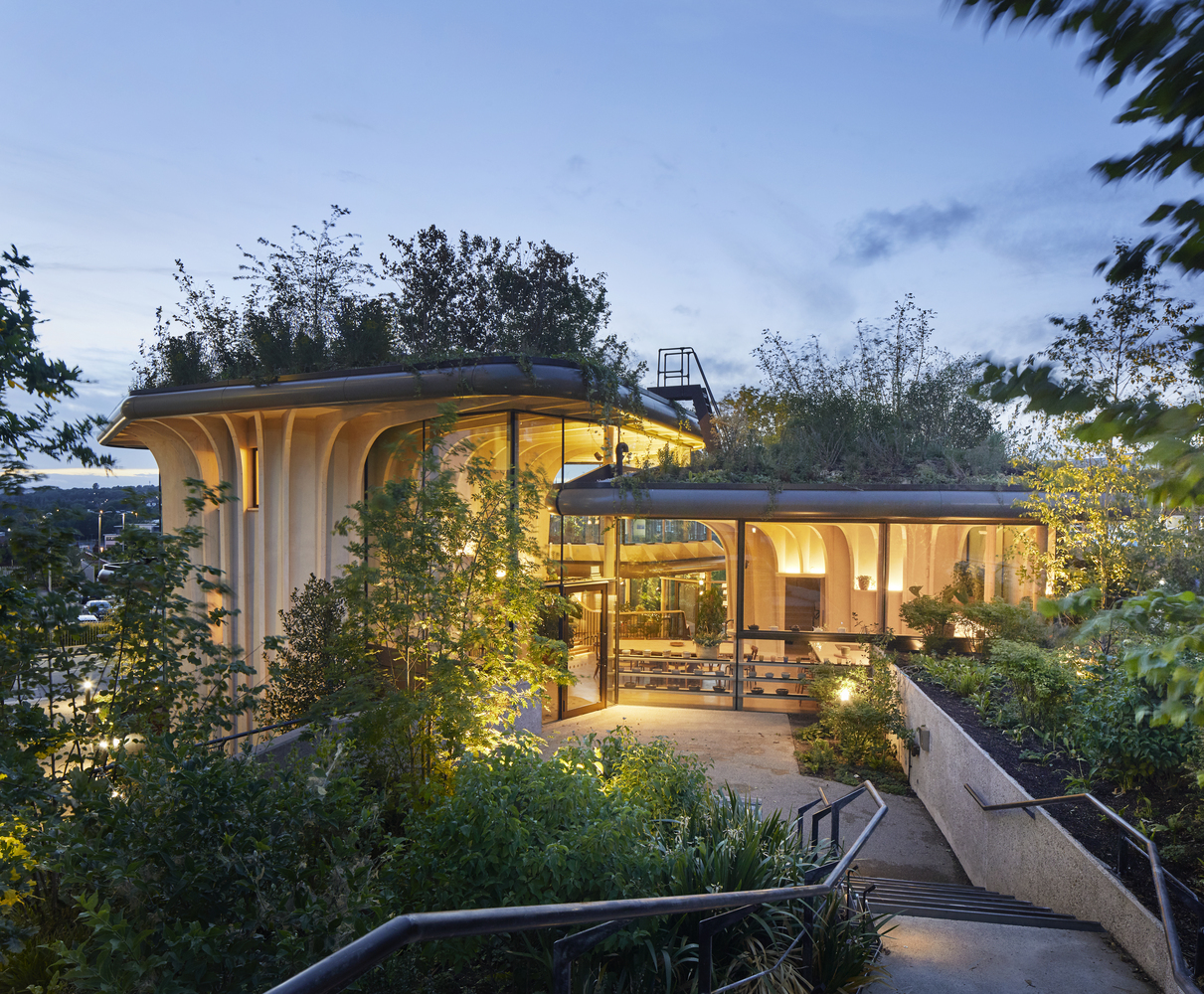
Maggie’s Yorkshire
Example: Maggie’s Yorkshire, Leeds, UK
Opened in 2020, this centre is part of the Maggie’s network located within St. James University Hospital, Leeds, UK. Designed by Heatherwick Studio, the facility offers free support for cancer patients and their families, relatives and friends. It’s not a hospital but it is known as a centre of support which has therapeutic design. The garden around the building creates a soothing atmosphere. Its architecture is based on environmentally friendly materials and seeks to ensure that every space has a view of greenery which also contributes to the therapeutic nature of the surroundings.
5. Child-Friendly Medical Centre Design
Shenzhen Children’s Hospital and Science and Education Building, Shenzhen, China
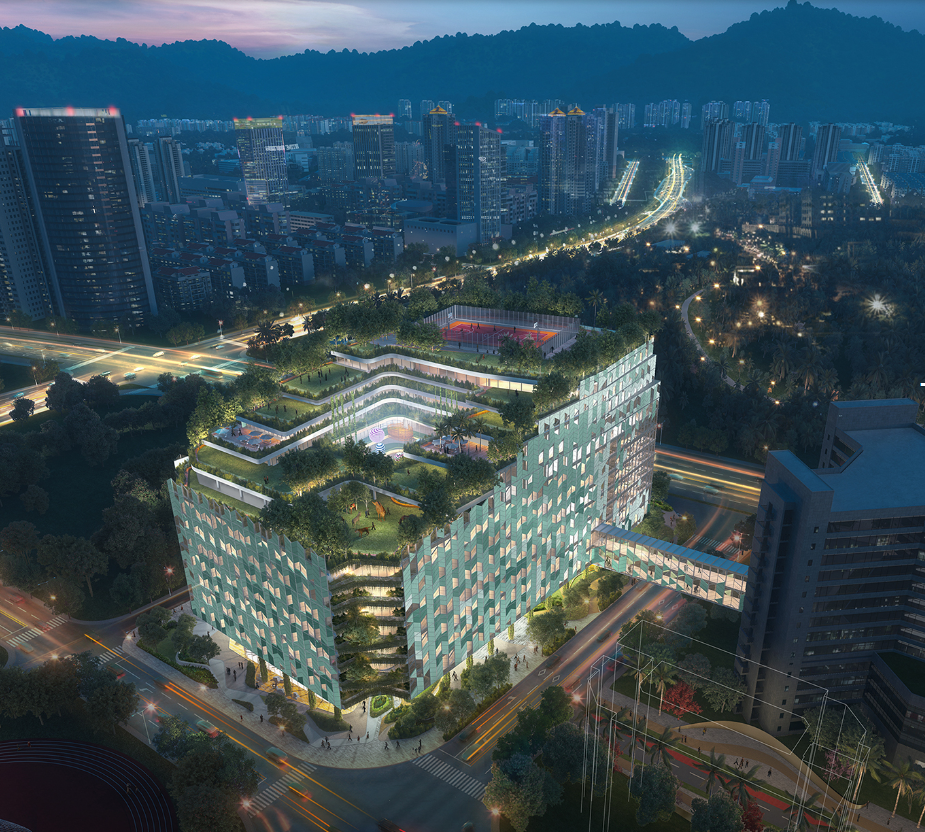
Designs for children’s healthcare are becoming more kid-friendly. They focus on what young patients like and imagine. Now, hospitals for kids are not just less scary but also fun and interesting. They have bright colours, play areas and themed waiting and check-in rooms.
These changes make hospital visits less scary for both kids and their parents. They also help doctors and nurses work better with children, making check-ups and treatments easier. Plus, adding educational games turns visits into fun learning times for kids.
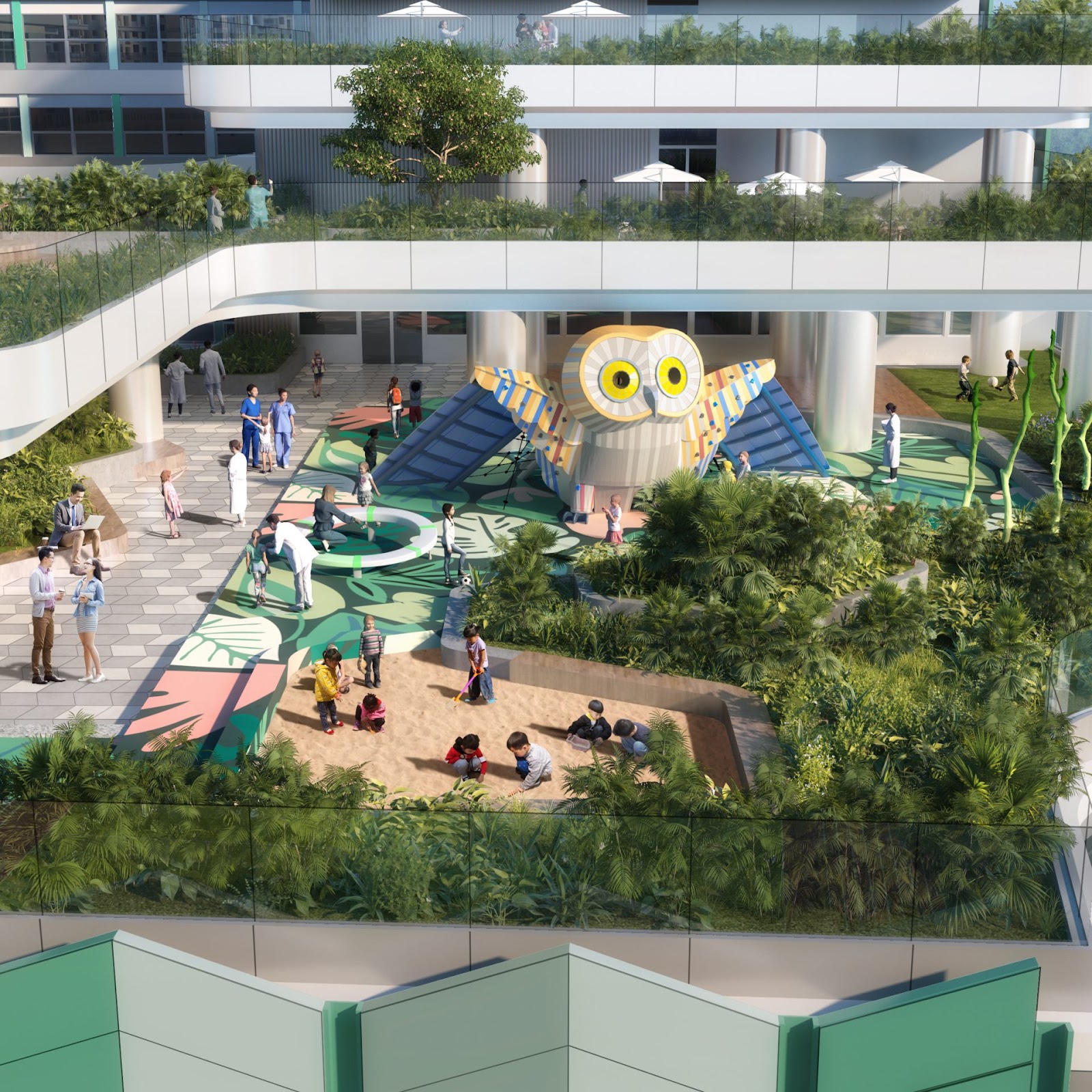
Shenzhen Children’s Hospital and Science and Education Building, Shenzhen, China
Example: Shenzhen Children’s Hospital and Science and Education Building, Shenzhen, China
This project (planned/under construction) is focused on pediatric care and incorporates modern technology as well as research facilities. The design elements are healing gardens and play areas that create a more welcoming atmosphere for children. A creation of award-winning global design and consulting firm B+H, the building prioritizes natural light and employs eco-friendly materials to foster a healthy environment for patients and staff members.
6. Hospital Scale Integration
In 2025, the main focus for hospitals is not just their size, but also how easily they can adapt to new healthcare needs. The trend is moving away from fixed building designs to more flexible ones. This allows hospitals to quickly adjust to new technologies, changes in how many patients they see and updates in medical practices.
Nowadays, hospital designs aim to easily grow or change without disruption. Using modular construction is a key approach. This method lets hospitals quickly add on or change their layouts. It saves time and money and it helps hospitals stay up-to-date with the latest health trends or handle sudden emergencies.
Digital twin technology takes this adaptability a step further by creating virtual versions of hospital spaces. These models allow for detailed planning before any construction starts, making sure every inch of space is used well. This planning also considers future growth or changes without being limited by the existing physical space. Moreover, this technology improves how resources are used and workflows are managed, greatly boosting how well a hospital operates.
Example: The Pavilion at Penn Medicine, Philadelphia, USA
Opened in 2021, The Pavilion at Penn Medicine is one of the most technologically advanced hospital buildings, which was developed to be adaptable and flexible in its layouts as rooms can quickly change their purpose depending on patients’ needs. It emphasizes on creating a whole environment of healing, using natural light and providing vast views of Philadelphia. The building is also sustainable in design with energy-saving systems and green roofing.
7. Advanced Technology Integration
In 2025, using advanced technology in hospital layouts is key to better patient care and smoother operations. The smart hospital market is projected to grow by 21.9% annually, highlighting the increasing integration of IoT and AI in healthcare facilities for enhanced patient care and operational efficiency.
Telemedicine gets fully integrated, allowing doctors to consult and monitor patients from afar, making healthcare more accessible.
Electronic Health Record (EHR) systems are vital for better communication between departments, reducing medical mistakes and ensuring continuous care. These systems mark a shift towards a connected, data-driven approach in healthcare.
AI is at the forefront of improving diagnosis and planning treatments, offering predictions that help in making better decisions. Meanwhile, surgical robots are making surgeries more precise. They focus on less invasive techniques that help patients recover quicker.
In logistics, robots are transforming how hospitals manage supplies and medicines, creating an error-free process. This lets healthcare workers focus more on patient-centered tasks.
8. Sustainable Construction
Hospital design trends are embracing sustainability in their construction. This means choosing eco-friendly materials, using less energy and managing waste better to reduce their impact on the environment. Features such as green roofs and solar panels are more than just trends, they save energy and make indoor spaces healthier.
Along with water-saving fixtures and gardens, these features create a greener space that benefits both patients and staff. Green-certified hospitals have reported an average of 13.2% savings in annual water and energy costs compared to non-certified buildings.
Hospitals are also focusing on saving water through methods like collecting rainwater and recycling. They’re getting green building certifications such as LEED (Leadership in Energy and Environmental Design, the world’s most widely used green building rating system) which shows they’re committed to being environmentally friendly and efficient.
Conclusion: Hospital Design Trends
The evolution in hospital design trends is a clear indication that there is a growing understanding that environment and healing are related. By embracing home-like aesthetics, antimicrobial materials, intuitive wayfinding and natural elements integration as well as technology-driven solutions, modern hospitals become sanctuaries of healing that meet the needs not only of patients but also of medical staff. These future trends in healthcare facility design not only improve the patient’s satisfaction but also safeguard operations, infection control as well as sustainability.
Considering the future, it is clear that hospital design trends will focus on the principles of adaptability, patient-centricity and sustainability will lead us in architectural development for hospitals. With the adoption of these innovations, hospitals will continue to be symbols of hope and healing.
If you found this blog engaging, get more insights into the innovation transforming healthcare with our must-read piece on The Future of Indoor Mapping in Hospitals. Plus, don’t miss out on our enlightening video showcasing Mapsted Location Technology for Hospitals and Healthcare – your next step in exploring cutting-edge solutions that redefine patient care.
Frequently Asked Questions
Q1. How does a home-like atmosphere in hospitals impact patient recovery?
Ans. A home-like atmosphere in hospitals can significantly enhance patient recovery by reducing stress, promoting comfort and fostering a sense of normalcy. Research shows that such environments can lead to faster recovery times, reduced need for pain medication and improved overall patient satisfaction.
Q2. What role do antimicrobial materials play in hospital design?
Ans. Antimicrobial materials, such as copper, alloy and certain types of wood, play a crucial role in preventing infections by naturally killing germs. Their integration into hospital design helps reduce healthcare-associated infections (HAIs), creating a safer environment for both patients and healthcare workers.
Q3. How does advanced wayfinding and location-based technology improve hospital visits?
Ans. Advanced wayfinding and location-based technology such as Mapsted’s platform simplifies navigation within hospitals, reducing anxiety for patients and visitors. It helps minimize late or missed appointments by ensuring individuals can easily find their destinations, enhancing the overall efficiency of hospital operations.
Q4. Can you explain the hospital design trend benefits of integrating natural light and greenery in hospitals?
Ans. Integrating natural light and greenery in hospitals has numerous health benefits, including speeding up recovery, reducing the use of painkillers and lowering the risk of hospital-induced depression. These elements create a healing environment that supports physical and mental well-being.
Q5. What are the advantages of sustainable construction practices in hospital design?
Ans. Sustainable construction practices in hospital design lead to significant energy and water savings, reducing the facility’s environmental impact. They also contribute to a healthier indoor environment for patients and staff, enhancing the overall healing process.
Q6. What are the most important hospital design trends for 2025?
Ans. Some of the most important hospital design trends for 2025 include home-like interiors, advanced location-based wayfinding, antimicrobial materials, modular layouts and sustainable building practices. These elements enhance patient experience, reduce infection risks and support future-ready healthcare environments.
Q7. How are hospital design concepts evolving to support patient care?
Ans. Modern hospital design concepts focus on flexibility, patient-centred layouts and digital integration. Features such as healing gardens, adaptive lighting and smart room technologies are transforming hospitals into spaces that promote faster recovery and emotional well-being.
Q8. What makes the best hospital design in the world stand out?
Ans. The best hospital design in the world combines architecture with function, sustainability and patient-centric innovation. Examples like Khoo Teck Puat Hospital in Singapore and The Pavilion at Penn Medicine highlight how integrating nature, digital systems and human-focused design leads to world-class healthcare environments.
Q9. What are some innovative hospital design features in use today?
Ans. Innovative hospital design includes smart wayfinding systems, robotic logistics, green-certified construction and therapeutic aesthetics. These innovations help hospitals operate more efficiently while improving patient and staff experiences.
Q10. How are healthcare design trends in 2025 shaping hospital planning today?
Ans. Healthcare design trends in 2025 focus on predictive technology, telemedicine integration, flexible care zones and sustainability. Planners are already incorporating these into current hospital blueprints to ensure future scalability and resilience.
Q11. What role does hospital building design play in sustainability?
Ans. Hospital building design plays a critical role in achieving sustainability goals. Eco-friendly materials, energy-efficient systems and water-saving infrastructure reduce a hospital’s carbon footprint and operating costs while promoting healthier indoor environments.
Q12. How does future hospital design differ from traditional layouts?
Ans. Future hospital design moves away from static, compartmentalized spaces to flexible, modular layouts. These new designs support evolving healthcare technologies, patient flow optimization and rapid emergency response, making them adaptable to changing medical needs.
Q13 What are the top trends in healthcare design that improve staff productivity?
A: Top trends in healthcare design that boost staff productivity include intuitive layouts, real-time tracking of equipment, reduced walking distances, quiet staff zones and integrated digital dashboards. These features streamline workflows and reduce fatigue.


